
How To Prepare For A Historical Or Biopic Role
If you’ve just been cast in a historical role or a biopic, the instinct is to start with performance. Accent. Posture. Costume. Tone. But the real work begins earlier than that.
It begins with preparation.
Actors often search late at night for answers: How do actors prepare for historical roles? How do you research a real person for a film? Where do you even start when preparing a historical character?
But in many productions, preparation is the first thing shortened. Hours are scheduled for fittings, rehearsals, and technical adjustments, while only minutes are left for context. Actors are given scripts and expected to fill the historical gaps themselves. Writers are expected to create entire historical worlds under pressure. Research becomes mood boards, keywords, and surface references.
But context cannot be improvised responsibly. When preparation for a historical or biopic role is rushed, interpretation quickly turns into guesswork.
Preparation is the work itself.
Real preparation is not background work. Preparation is the work itself. It is the stage where uncertainty is either multiplied or brought under control. This is where you begin to understand what a person in another era could know, what they could not imagine, what would feel normal to them, and what would feel impossible. Without this groundwork, everything that follows begins to drift.
The most reliable way to prepare a historical character is not opinion or summary, but evidence. Fragments from the past: a letter, a receipt, a household object, a routine written down without explanation. These fragments may appear small, but they do something essential. They place limits around what can be trusted.
Fragments orient the work. One object can reveal more about a life than pages of interpretation written later. A single sentence can expose priorities, fears, or assumptions that modern explanations cannot replicate. This is how actors avoid flattening a real life into a concept, and how writers protect the integrity of the story they are building.
The principle is the same whichever side of the camera you are on. Actors need evidence to stand on. Writers need evidence to build from. Both require clarity before invention. When preparation is done properly, you stop guessing what might feel right and start recognising what actually fits within the historical world you are portraying.
Preparation is not a delay before the creative work begins. Preparation is the point of entry. When you prepare for a historical or biopic role, then begin with evidence, you gain direction.
And from that direction? The work can finally begin.
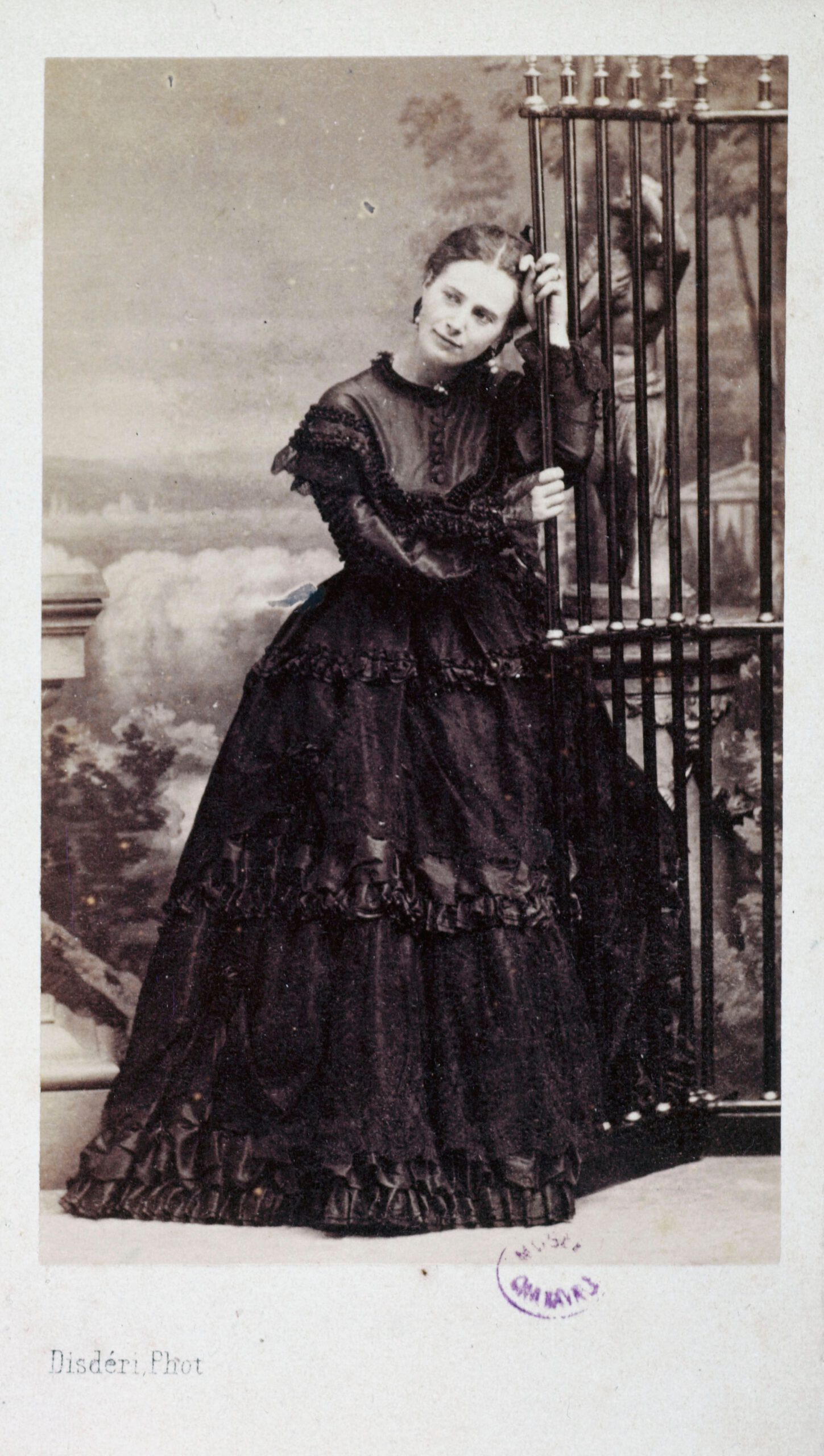
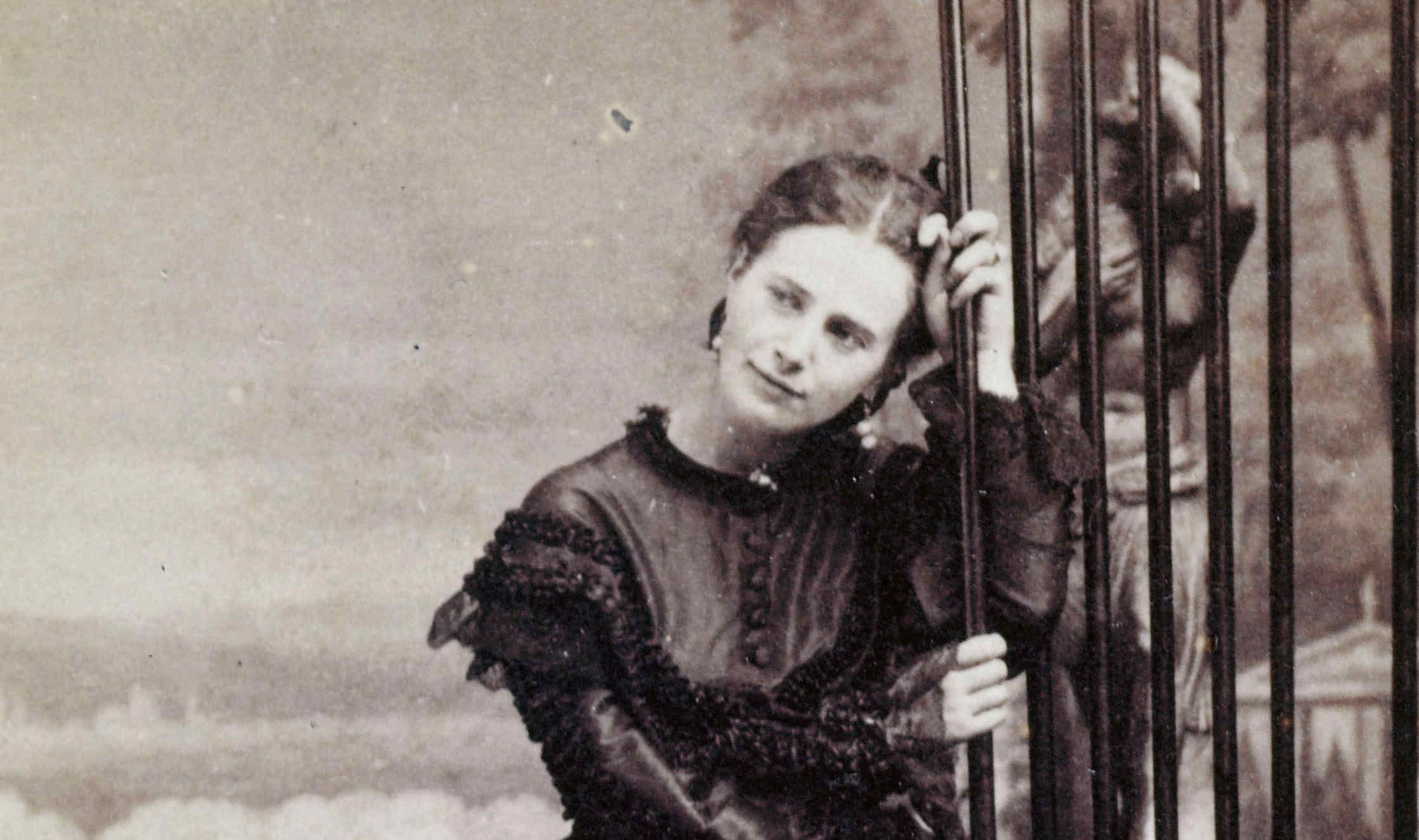
Portrait de Bellanger, Marguerite, (Justine Leboeuf, dite), (1838-1886), (actrice), Public Domain