
How Screenwriters And Actors Can Make History Breathe
You’ve gathered books, browsed old letters, copied timelines.
Maybe you’ve even interviewed a local historian or dug through an archive.
But here’s the big question:
Have You Actually Brought The Era To Life — Or Are You Just Documenting It?
This is one of the most common traps I see when working with creatives on historical projects. You collect information like a scholar. Because you want everything to be perfect.
But your audience doesn’t want a textbook — they want a visceral experience. They crave emotional accuracy.
Let’s back up and have a look, shall we?
Soooo… What Story Are You Really Telling?
Have you asked yourself: what is this story really about?
Not the event. Not the regime. Not the battle.
But the human stakes: fear, shame, loyalty, betrayal, desire, defiance. The things that keep a character up at night — in any era.
Have you picked an emotional core and let your research orbit around it?
Are You Drowning In Data?
Many screenwriters (and actors!) think they need more research when the scene feels flat. So they go back to the books. But sometimes, the problem isn’t a lack of material — it’s a lack of transformation.
Ask yourself:
- Did I just collect information?
- Or did I turn it into something emotional, lived-in, and visual?
- Can this fact be felt on screen?
Example: It’s not enough to know someone in East Germany couldn’t travel freely. Can we feel the pressure of that? See the tension in the hallway when a neighbour disappears? Hear what isn’t being said over dinner?
Are You Prioritising Emotional Accuracy Over Factual Density?
Have you ever read a scene that was technically accurate — and utterly forgettable?
If yes, you’ve already sensed this truth: emotional accuracy matters more than historical density.
You’re allowed to choose one vivid, resonant detail over five that are “correct.” You’ve tapped into emotional accuracy as best as you could. Now, you’re allowed to invent a scene that could have happened, even if it didn’t.
Are you giving yourself that creative freedom?
Or are you waiting for permission from a historian to write your best scene? 🫥
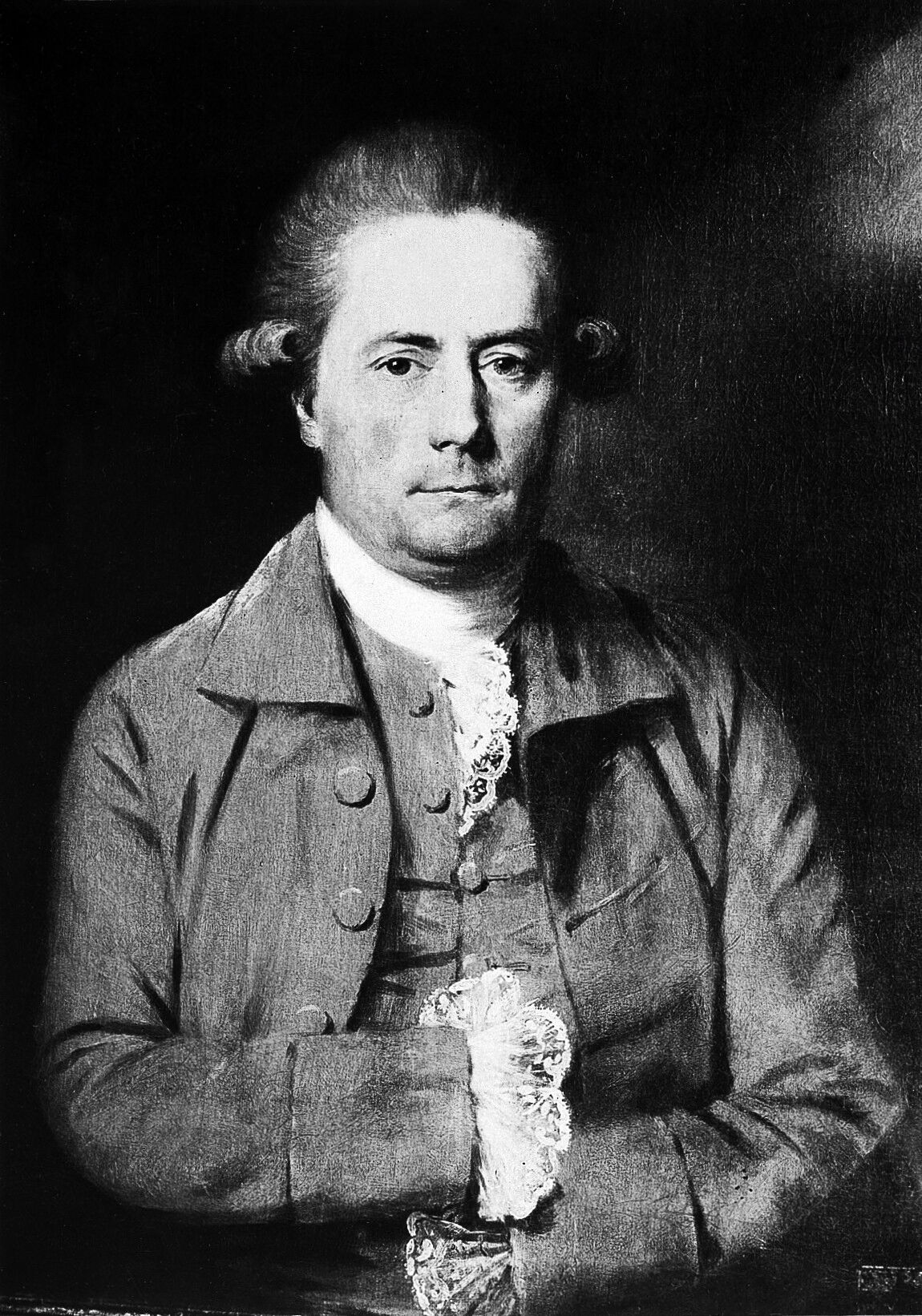
Portrait of Thomas Brewster. (CC BY 4.0) from the Wellcome Collection.
What Does Your Character Know About Their World?
It’s tempting to explain everything — the laws, the social rules, the consequences. But here’s the thing:
Your character doesn’t think in footnotes.
They don’t narrate history textbooks in their head.
Instead:
- What are they afraid to say aloud?
- What have they stopped questioning because it’s always been that way?
- What coded language do they use to survive?
Are you writing from their perspective — or the historian’s (which is MUCH later)?
Have You Asked Grounded Questions?
Actors, this one’s for you too.
Before your next role, try this:
- What did people touch every day?
- What sound meant danger?
- What did they not talk about, even with family?
- What would have made your character ashamed in 1910? In 1956? In 1983?
Have you tried walking through a day in their shoes, using only the textures and fears of that time?
Have You Used History As A Lens — Not A Cage?
History isn’t here to restrict your story. It’s here to sharpen it.
So ask yourself:
- Is your research limiting your scenes — or inspiring them?
- Are you writing to satisfy a fact-checker… or to move your audience?
- Are you using history as scaffolding — or a prison?
Your job isn’t to show everything that happened.
Your job is to tell one unforgettable truth that feels grounded in the past.
What Can You Do Today?
🎯 Screenwriters: Pick one scene and strip away all exposition. Block all thoughts of emotional accuracy, of other abstract concepts, and just allow yourself to FEEL. Replace it with gesture, silence, or friction. Does it still work?
🎭 Actors: Find one object your character would keep hidden. Imagine the weight of it. What does it change in how they speak?
✍️ Both: Rewrite or act out one monologue with fewer words and more risk. Let silence speak loudly. Let the era shape what’s not said.
Your Role Is Not To Reproduce — But To Translate
The best historical films and scripts don’t overwhelm us with dates.
They haunt us with possibility — the feeling that we’ve seen the soul of another time, even if we can’t recite the facts.
So next time you’re tempted to collect one more article or fact:
Ask instead: Circling back to emotional accuracy… Have I translated this world into something lived — something felt — something unforgettable?
If not, start there.
You can always go back and check the facts.
History will still be there…
But the moment you’re trying to capture?
It might not wait.